
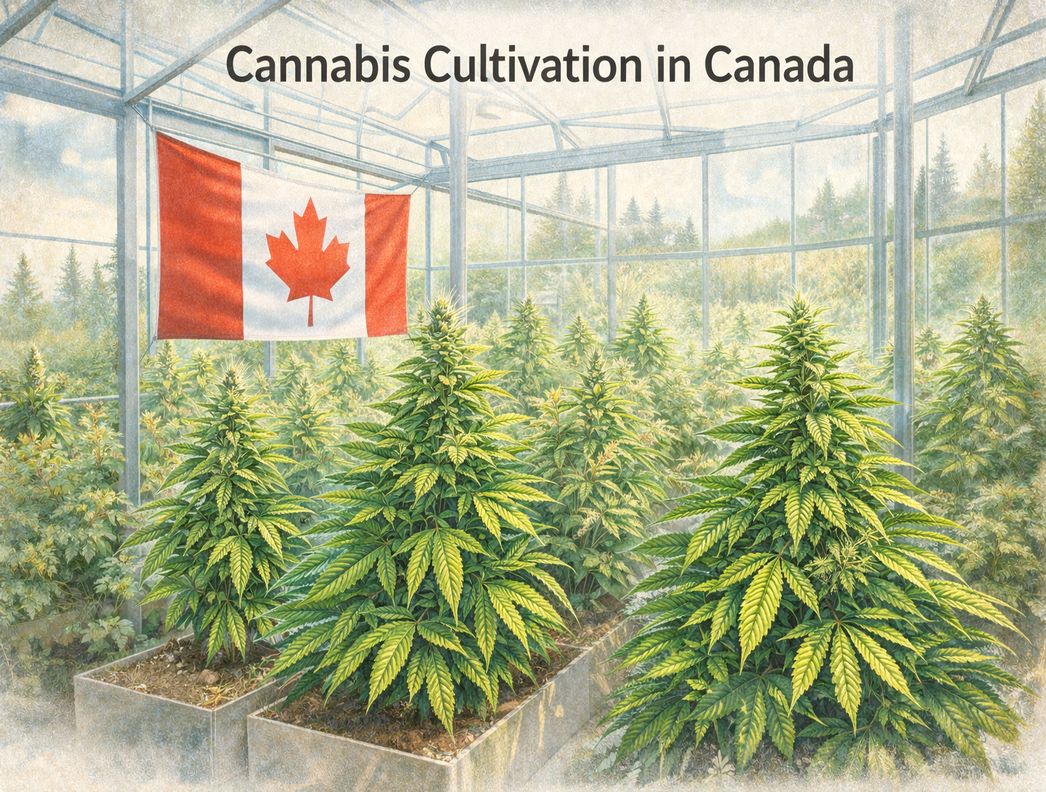
How to Plant Cannabis Seeds Indoors
A Beginner-Friendly Overview
Growing cannabis indoors can be an engaging and rewarding project for those interested in plant cultivation. Many people choose indoor growing due to unpredictable weather, limited outdoor space, or the desire for greater environmental control.
While indoor cultivation requires attention and patience, understanding the overall process helps set realistic expectations from the start.
This article provides a general overview of how indoor cannabis growing typically works, along with best-practice considerations. For readers seeking detailed, step-by-step instructions, we recommend consulting established third-party resources.
Why Grow Cannabis Indoors?
Indoor cultivation allows growers to better manage factors such as light exposure, temperature, and humidity. This level of control can help plants develop more consistently, regardless of outdoor climate conditions. Indoor growing is also appealing to those living in urban areas or regions with short growing seasons. That said, indoor growing is still gardening: it requires care, observation, and a basic understanding of plant needs.
Understanding the Indoor Growing Process
At a high level, indoor cannabis cultivation generally follows three core stages:
1. Seed Preparation
Before planting, seeds are typically prepared to encourage successful sprouting. This stage focuses on creating the right conditions for a seed to begin its growth cycle.
2. Planting Medium
Seeds are then placed into a suitable growing medium, such as soil or a starter material designed to support early root development. The choice of medium plays a role in moisture retention, airflow, and nutrient availability.
3. Ongoing Care
Once planted, young plants require consistent care. Light, water, airflow, and cleanliness all contribute to healthy development. As with any plant, observation is key, small changes in environment can impact growth. This general framework applies to most indoor growing methods, regardless of setup size or experience level.
A Note on Seed Soaking Practices
Many guides discuss soaking seeds as part of early preparation. While this technique is widely referenced, long soak times are not always necessary. Extended exposure to water may increase the risk of seed damage if not carefully monitored.
As a general best practice, shorter soaking periods are often sufficient to support seed viability while reducing potential stress to the seed. Growers are encouraged to research multiple sources and choose methods that prioritize seed health and care.
Recommended External Resource
For readers looking for a detailed, illustrated walkthrough, WikiHow provides a comprehensive guide that covers indoor planting methods in depth:
https://www.wikihow.com/Plant-Cannabis-Seeds-Indoors
This resource offers visuals and expanded explanations that may be helpful for beginners.
Grow with Knowledge and Patience
Indoor cannabis growing is ultimately about understanding plants and respecting the process. Learning the fundamentals, using reputable resources, and making informed decisions helps create a more enjoyable and educational experience. As with all cultivation activities, be sure to understand and comply with applicable local laws and age requirements.
Happy Growing From The CanadianSeedBank Team!